Deep Cleaning in Greenwich

Deep Cleaning Greenwich is about giving homes and workplaces a more exacting clean than routine upkeep usually allows. The service focuses on the surfaces, fittings and overlooked areas that benefit from a careful, detailed approach, whether that means a one-off reset, a seasonal refresh or a more thorough clean after a busy period. It is a practical option when standard tidying is not enough and the property needs closer attention to built-up dust, grease, marks and general grime.
We work across the main areas of deep cleaning that customers commonly ask for, including kitchens, bathrooms, living spaces, bedrooms and shared rooms. That can also extend to internal fixtures, high-touch points and other hard-to-reach sections that are often missed in a normal clean. If you are comparing service options, pricing and quotes can help you think through the likely scope before you make a request. Clearer instructions usually lead to a cleaner plan, especially where the property has a mix of surfaces or more detailed work is needed.
A sensible starting point is to decide which rooms matter most and whether the job is best treated as a full-property clean or a targeted clean of priority areas. Deep cleaning often works best when the scope is specific, because the work can then be organised around the rooms, materials and problem areas that need the most attention. Contact us if you would like to request a quotation or discuss what should be included.
Thorough room-by-room cleaning
Room-by-room deep cleaning is useful when different parts of a property need different levels of attention. Kitchens may need degreasing and careful wiping of surfaces, while living rooms and bedrooms often need dust removal, skirting attention and detail cleaning around furniture edges. Bathrooms usually benefit from scale removal, sanitising of contact points and a closer clean around taps, tiles and fittings. The aim is not just to make a room look neat, but to leave it feeling properly reset.
This style of work suits properties that have fallen behind on detail cleaning, or rooms that are clean in appearance but still carry a film of dust, grease or residue in awkward places. It can also be used as a periodic service between ordinary cleans. Where helpful, our house cleaning page gives a broader view of household support, while the deep clean itself concentrates on heavier detail and more intensive attention to finish.
Kitchens, bathrooms and high-use rooms
In practical terms, high-use rooms usually need the most thorough process. In kitchens, that may involve attention to cupboard fronts, splashback areas, hob surrounds and accessible appliance surfaces. In bathrooms, it may mean cleaning around grout lines, fittings and other moisture-prone areas where residue builds up. For households wanting a focused reset, our one-off cleaning service page can be a useful reference point for the kind of visit often chosen for these jobs.
Detail work for fixtures, fittings and surfaces
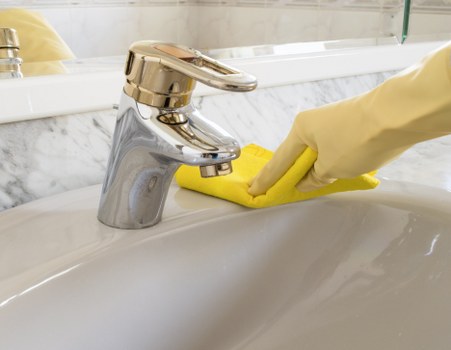
Deep cleaning is often defined by the detail work rather than the obvious areas. Handles, switches, frames, ledges, trim and other small features can collect dirt gradually and make a room feel less fresh than it should. A thorough clean pays attention to these elements alongside the main floor and surface treatment, so the overall result is more complete. That extra detail can matter just as much in a compact flat as it does in a larger house.
Some properties need careful treatment of mixed materials, such as painted surfaces, sealed flooring, glass, stainless steel or natural stone. The right process depends on what is actually present, because aggressive methods are not always suitable for delicate finishes. When the work includes harder-wearing floors, our hard floor cleaning page shows another service that may be relevant where a room needs both surface care and a deeper clean of the floor itself.
Good deep cleaning respects the materials as well as the visible dirt. That is why the service is better approached as a sequence of specific tasks than as a vague “all over†wipe-down. The aim is to support a cleaner, more orderly property without overworking finishes, disturbing fragile items or using unnecessary methods where a lighter touch will do.
What a quotation can be based on
Quotations for deep cleaning usually depend on a few practical factors: the size of the property, the number of rooms, the level of build-up, and any specialist attention required for particular areas. A kitchen with heavy grease, for example, may need more time than a lightly used room, while bathrooms with limescale or detailed fixtures can also affect the scope. If you are comparing related services, our deep cleaning page offers a direct overview of the core service itself.
To help with a quotation, it is useful to note which rooms you want covered, whether the property is occupied or empty, and whether there are any surfaces that need extra care. Photos are often helpful, but a simple written list can also be enough to start. If access is straightforward and the priority rooms are clear, the process is usually easier to organise and price fairly.
- Identify the rooms that need the most attention.
- Note any stubborn build-up, marks or residue.
- Say whether you want a full-property or partial clean.
- Mention delicate materials or finishes in advance.
- Include any timing or access considerations that matter.
Domestic deep cleaning for lived-in properties

Domestic deep cleaning is often chosen for homes that need more than routine upkeep. That may include family homes, flats with limited time for regular detail work, or properties that have had periods of heavy use. The service can be tailored to the home as it stands, with attention on the rooms that need the biggest improvement rather than a one-size-fits-all checklist. This makes it useful for periodic maintenance as well as more intensive cleaning visits.
For households balancing everyday life, the service can be planned around practical priorities rather than cosmetic perfection alone. The most helpful approach is usually to focus on the areas that most affect day-to-day comfort, such as kitchens, bathrooms and shared living spaces. If you want a broader domestic service after the deep clean, our domestic cleaning page is a sensible next step for ongoing upkeep.
We can also adjust the work where a property needs a more focused reset after a period of neglect, guests, family activity or seasonal use. The emphasis stays on detail and finish, but the scope remains flexible enough to suit the room condition and the priorities you set at the outset.
Kitchen and bathroom deep cleaning
Kitchens and bathrooms often need the most visible transformation, because they combine daily use with moisture, heat or food residue. Kitchen deep cleaning typically centres on grease-prone surfaces, appliance exteriors, worktops, splash areas and other features that collect splashes or film over time. Bathroom cleaning may involve taps, tiles, seals, glass and other fixtures where residue, limescale and general dullness build up. These rooms benefit from a methodical sequence rather than a quick once-over.
When customers ask for a stronger focus on these rooms, it is often because they want the property to feel genuinely refreshed, not simply tidier. That can be useful before a change in occupancy, after a longer break in cleaning or simply as part of a planned maintenance cycle. For kitchens with heavy use, our oven cleaning page may be relevant as an extra service where one appliance needs dedicated attention.
Special attention in these rooms can also reduce the sense of wear that develops from repeated use. The goal is a clean that looks obvious in the room itself and still holds up when a customer inspects the details closely, from visible fittings down to smaller edges and joints.
About Greenwich
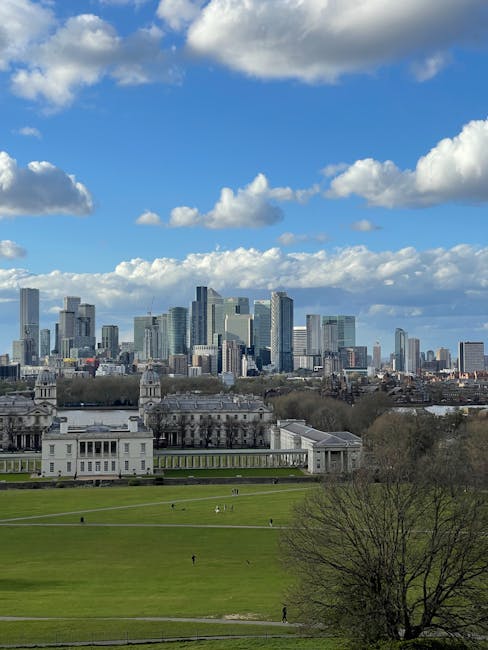
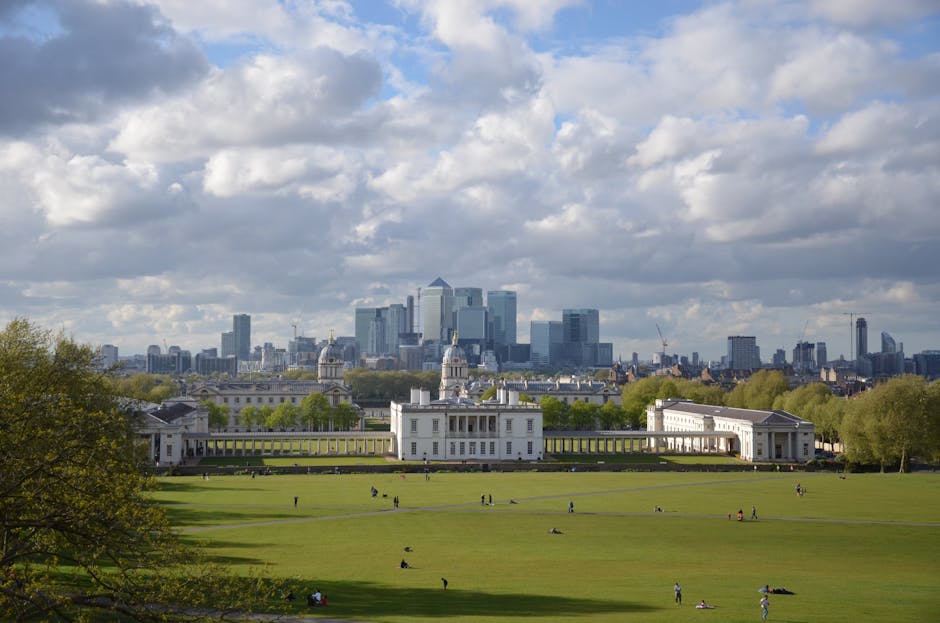
Greenwich in south-east London sits on the south bank of the River Thames and is known for its long connection with maritime history, scientific development and riverside architecture. The area is closely associated with the Royal Observatory, where the Prime Meridian line has become one of its most recognisable landmarks, and with Greenwich Park, one of London’s oldest enclosed royal parks. The park rises from the riverfront toward Observatory Hill, giving broad views across the capital and helping define the local landscape. Nearby, the Old Royal Naval College forms a major architectural centrepiece with its formal riverside setting, domes and painted hall, while the surrounding streets include a mix of Georgian, Victorian and later buildings that reflect the district’s gradual growth. Greenwich Market remains a well-known public space linked with everyday trade, food and crafts, and the wider area includes the National Maritime Museum and Cutty Sark, both of which reinforce the district’s place in Britain’s naval story. The riverside path, docks and open spaces give the neighbourhood a varied character, combining heritage buildings, transport links and busy public areas with quieter residential streets. Greenwich has also been shaped by conservation and redevelopment, especially along the waterfront, where former industrial and dockside land has changed over time into mixed-use places with housing, public access and cultural destinations. As a result, the area brings together old and new in a way that remains distinctive within London.
After-builders and post-work finishes

Some deep cleaning requests are linked to building work, decorating or general refurbishment, where dust and debris settle into corners, tracks and flat surfaces. After-builders cleaning needs a different rhythm from regular domestic cleaning because fine dust can spread into places that are not immediately obvious. The service typically focuses on removing that residual layer from accessible surfaces, fixtures and room edges so the space is ready for normal use again. It is useful after light alterations as well as more substantial work.
If your property has recently had trade work carried out, it may need a cleaner finish than a standard weekly visit can provide. In those cases, the most useful starting point is a clear description of the rooms affected and the kinds of residue present. Our after builders cleaning page is the most direct match for that type of project, while the main deep clean can often be adapted where the post-work residue is less extensive.
It is also common for customers to use this kind of service to recover rooms that have been partially disrupted by repairs, rewiring or decorating. The emphasis stays on a careful clean rather than construction support, so the outcome is a more presentable space with dust, smears and leftover traces dealt with methodically.
Furnishings, fabrics and softer surfaces
Not every deep clean is limited to hard surfaces. Softer items such as sofas, rugs and upholstered furniture may also need attention where dust, everyday marks or lingering odours are an issue. These items usually require a gentler and more material-aware process than hard floors or tiled walls, because fabrics and padding respond differently to moisture and cleaning products. A good service will treat them as separate categories rather than as an afterthought.
Where these items are part of the plan, it helps to consider them as part of the overall room condition rather than separate extras. That way the clean can be organised around the space in a sensible order, from larger surfaces to finer details and then to the items that need specific treatment. Our sofa cleaning page and upholstery cleaning page are useful if the fabric elements need their own dedicated focus.
The same applies to rugs, especially where they sit in busy circulation areas or have picked up dust and surface marks over time. A rug cleaning service may be appropriate when the floor covering needs a more specialist clean than the surrounding room. In practice, combining these choices with a deep clean can produce a more consistent finish across the whole property.
Planning the work and making the request

When asking for a quotation, it helps to keep the request practical and straightforward. A short description of the property, the rooms that matter most, the condition of the space and any access notes gives a much clearer starting point than a vague message. If there are appliances, furniture items or surfaces that need to be left alone, that is worth stating as well. The more accurate the starting details, the easier it is to shape a realistic scope.
For many customers, the simplest approach is to decide whether the job should be handled as a one-off reset, a room-specific clean or part of a wider maintenance plan. If you already know which spaces need attention, you can explain that in a single note and ask for a quotation based on that scope. If you are ready to take the next step, contact us to request a quotation for Deep Cleaning in Greenwich.
We aim to make the process clear, whether the work is centred on one area or several. For additional background on how we approach day-to-day standards and practical care, our health and safety policy and insurance and safety pages provide further context. Good planning saves time later, and it also helps keep the quotation aligned with the real job in front of us.